
Food you planned, not food you grabbed
A bar is easy. It is also a stranger’s recipe, eaten in three bites, while you tell yourself it counts as a meal. Knowing what is in the bag is the better deal.
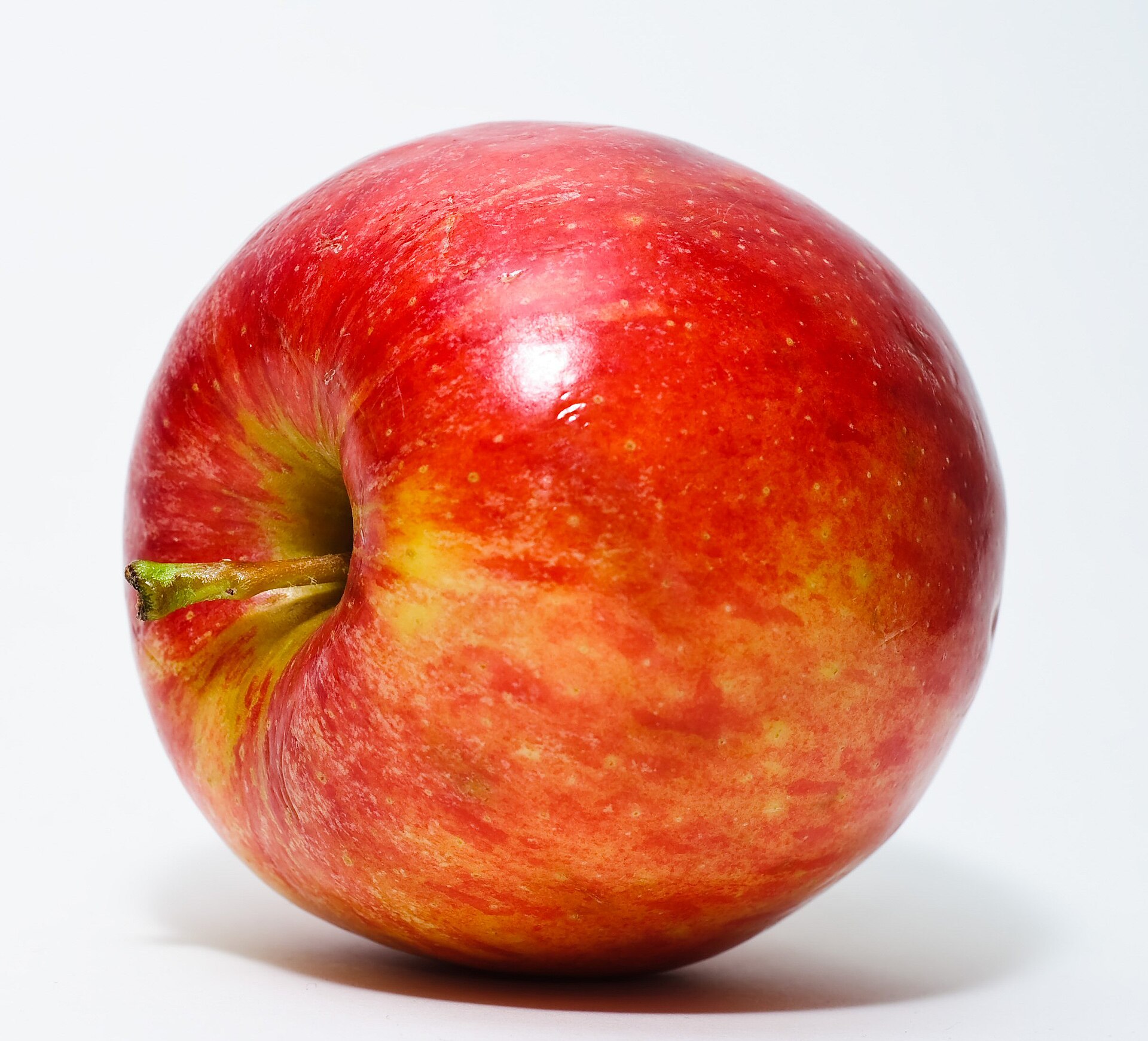
Apple. Abhijit Tembhekar, CC BY.

The store version is convenient. That is the whole sales pitch.
Heavily processed food is built to go down fast. The National Institutes of Health put people in a ward and fed them two menus that looked the same on paper: same calories offered, same sugar, fiber, fat, and carbs. When the food was ultra-processed, those adults ate about 500 calories more a day and gained weight. On the minimally processed menu, they ate less and lost that weight. Twenty people. Two weeks each way. It is not a hunting study. It is still the point. A bar with a paragraph of ingredients is in that pile. You did not pick the apple. You picked the factory’s idea of an apple.
The cons are ordinary and they still matter. You eat it fast. You do not know which oils, sugars, and fillers got the seat. It does not cook into tomorrow’s breakfast if the day goes long. And it teaches the bad habit: food is something you buy on the way out of town, not something you decided in June.
Dry the real thing while the season is shut
Freeze-drying pulls the water out by freezing the food and letting the ice turn to vapor. University extension folks are plain about the result. Fruit, vegetables, and proteins do this well. The food keeps a lot of its taste, smell, and nutrition, and it packs down small because the water is gone. High-fat food, high-sugar food, and baked goods are the ones that fight the machine. A peach, a handful of berries, cooked meat in thin pieces: that is the list. Not a casserole you were proud of and a tray of cookies.
Do the fruit and the vegetables in the off-season, when they are actually here. Same with meat. Dry what you will actually eat, in pieces, and label the bag with what it is. In the field you put the water back. Weigh it before and after if you want a real number for how much water that pouch wants. Hot water on food that was already cooked is the simple version, and it is not instant. Give it the minutes. Cold-soaking meat in a pocket while you walk is the other version. Either way, the pouch is light. The water is not optional. A bar does not ask for a pot. Your meal does. Pack the water, or know the creek is part of dinner.
One hard rule from the food-safety people, because this is not a magic box. Freeze-drying does not kill bacteria. It can keep them. Cook meat before you dry it, or cook it after you add the water back. If the bag gets damp in a pack, it is food again, and food can spoil. Seal it like you mean it. Cool, dark, dry, until the morning you open it.
This does not start the night before the drive
A freeze dryer is a long cycle. It is not a midnight project before a four-hour drive to the unit. Arizona’s extension note says the obvious part out loud: have a plan for what you will dry and when you will eat it. That plan lives in the off-season, next to the training and the gear you already know. Fruit when it is cheap. Meat when you have a day. Bags labeled. A meal you have already rehydrated in the kitchen so the mountain is not the test kitchen.
The optimal part is not a secret powder. It is that you can read the bag and recognize every word, because you put the words there. Real food. Small in the pack. Decided long before the truck is pointed at the hill.
Sources
- National Institutes of Health, “NIH study finds heavily processed foods cause overeating and weight gain,” on Hall and colleagues, Cell Metabolism, 2019. About 500 extra calories a day, and about 2 pounds gained, on the ultra-processed menu.
- University of Minnesota Extension, “Preserving food at home: Freeze-drying.” What dries well, what does not, and the fact that the process does not kill microbes.
- Utah State University Extension, “Can I Freeze-Dry That?” Cook meat before drying or after you add the water back.
- University of Arizona Cooperative Extension, “How to Use Your Freeze Dried Products.” Plan the food before you dry it, and put the water back on purpose.